妊娠するとお腹の中で赤ちゃんが成長し、ママのお腹も段々大きくなっていきますよね。
お腹が大きくなるにつれて皮膚も急激に伸びますが、表皮は伸びるのに対し、真皮は伸びにくいためお腹の大きさについていけず、亀裂が生じて赤紫色の線状斑が現れてしまいます。これが妊娠線です。
赤ちゃんが大きくなる事はとてもうれしい事ですが、この妊娠線は、出来てしまうと中々消えないといわれているので、妊娠中にしっかり保湿ケアして、赤ちゃんが産まれてくる準備に備えていきましょう。

赤ちゃんが出来てとてもうれしい気持ちと、妊娠線は絶対出来たくない!という気持ち。
これから起こる体の変化が不安な妊婦さんのために、わたくし新米ママが、効果のあった妊娠クリームをランキング形式でご紹介します。いつから使ったらいいの?効果はあるの?色んな悩みにもお答えしちゃいます♪

妊娠するとお腹の中で赤ちゃんが成長し、ママのお腹も段々大きくなっていきますよね。
お腹が大きくなるにつれて皮膚も急激に伸びますが、表皮は伸びるのに対し、真皮は伸びにくいためお腹の大きさについていけず、亀裂が生じて赤紫色の線状斑が現れてしまいます。これが妊娠線です。
赤ちゃんが大きくなる事はとてもうれしい事ですが、この妊娠線は、出来てしまうと中々消えないといわれているので、妊娠中にしっかり保湿ケアして、赤ちゃんが産まれてくる準備に備えていきましょう。
私は妊娠中にとにかく、クリームでの保湿とマッサージ、心のケアを欠かさず行いました。その結果、妊娠線が出来ずに、今ではビキニを着て、夏は子供と思いっきりはしゃいでいます(笑)後輩ママ達に何使ったんですか?ってよく聞かれるので、効果のあった【妊娠線予防クリーム】をランキング形式でご紹介します。

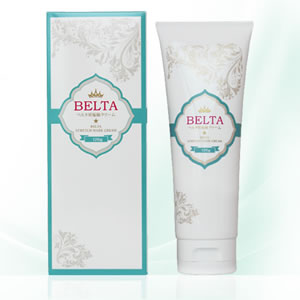
出産経験のある社員がこだわりを持って開発した、妊娠線予防クリーム。妊娠時のお腹の肌トラブルで実績のあるシラノール誘導体や、高品質な美容成分をタップり配合しているのも嬉しいポイント。お腹のハリがしっとりで、出産後もずっと愛用しています。パラベンや界面活性剤など不使用で、8種類の無添加だから、妊娠中も安心して使えました。 あと、BELTA様の社員スタッフによるサポートもばっちりなので、妊娠中の不安などにアドバイスもいただけました。
| 効果 | ★★★★★ | 妊娠時の肌トラブルで実績のあるシラノール誘導体や、高品質の美容成分や葉酸を配合。妊娠時の乾燥によるハリを失ってできるトラブルを予防します。 |
|---|---|---|
| 成分 | ★★★★★ | 無着色・鉱物油無添加・石油系界面活性剤・パラべン無添加・シリコン無添加・エタノール無添加・紫外線吸収剤無添加 |
| コスパ | ★★★★ | 定期便:4,989円(税込) 内容量:120g(1ヶ月) コスパ:160円/1日 |
| 香り | ★★★★★ | 柑橘系でグレープフルーツの香り |
| 使用感 | ★★★★★ | クリームタイプ:やわらかく伸ばしやすいテクスチャー |

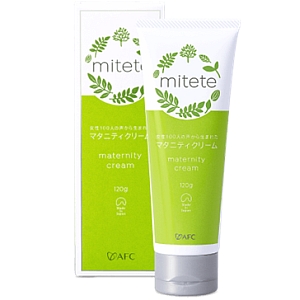
女性の声から生まれた女性にやさしい妊娠線予防クリーム。100人以上の女性の声をもとに、大切な肌を守るクリームです。肌のめぐりを助ける"葉酸"配合で肌のターンオーバーの手助けをしてくれます。
ほのかに香るリラックスアロマで、妊娠中のイライラも予防出来ました。使った後、ほんのり暖かくなり、冷え性が気になる私はとても重宝しました。
クリームだけど、さらっとした使用感で、べたつかないのも
うれしいです。
| 効果 | ★★★★ | 100人以上の女性の声をもとに作られた、ストレッチマークの予防クリーム。葉酸配合で、心と体の急激な変化にリラックスを。 |
|---|---|---|
| 成分 | ★★★★ | 無香料、無着色剤、無鉱物油、国産。 葉酸配合。 |
| コスパ | ★★★★★ | 2,800円(税込) 内容量:120g(1ヶ月) コスパ:90円/1日 |
| 香り | ★★★★ | 精油、アロマ(ビターオレンジ)の香り |
| 使用感 | ★★★★★ | クリームタイプ:さらっとしたべたつかない使用感 |

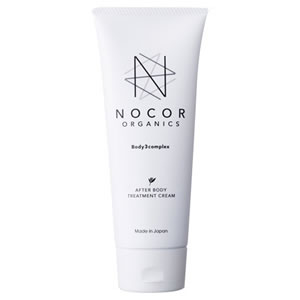
予防ではなく、「出来てしまった」妊娠線や肉割れ対策として研究・開発された「あとケア専門」クリーム。敏感肌でも使えるように無添加・植物性にこだわりつつ、新型ビタミンC誘導体を加えて、皮膚の奥までしっかり浸透します。
なんといっても、妊娠線だけじゃなくセルライトや傷跡、エイジングケアのことまで考えられているから、産後のボディ・コンプレックス解消にずっと活躍してくれること間違いナシ。
ほのかなネロリの香りが癒しにもなる、あらゆる世代の女性の強い味方です。
| 効果 | ★★★★ | 新型ビタミンC誘導体配合で、角層までしっかり浸透。新陳代謝を良くすることで、皮膚のターンオーバーを促します。すでに出来てしまった妊娠線や肉割れに効果的です。 |
|---|---|---|
| 成分 | ★★★★★ | パラベン・アルコール・鉱物油・石油系界面活性剤・動物性原料・紫外線吸収剤・サルフェート、すべて無添加。国産。 |
| コスパ | ★★★ | 6,463円(税別) 内容量:150g(1ヶ月~1ヶ月半) コスパ:208円/1日 (1ヶ月計算) |
| 香り | ★★★★ | ほのかなネロリの香り |
| 使用感 | ★★★★ | クリームタイプ:やわらかく伸ばしやすいテクスチャー |
新しい命を宿したあなた、自分の身体が今まで以上に愛しく感じていることでしょう。日に日に変化していく心と身体に、喜びと不安を交互に感じていませんか? 続く.....
妊娠線が出来始めるのは、個人差が大きいようですが、妊娠中期から後期にかけて徐々に、あるいは突然にでき始めます。「まだまだ大丈夫」なんて、油断は大敵!1990年代では、初めての妊娠で70%、2度目以降の経産婦では全体の86%以上の妊婦さんが、妊娠線を経験していました。 続く.....
妊娠線は一度できてしまったら、完全に消すことはできません。皮下組織の線維が、急激な膨張に耐え切れずに断裂して、そこにある毛細血管が破損して、内出血を起こします。それが、外側から見た時に、赤紫色のできたて妊娠線になるのです。 続く.....